Graduate
An Overview of the Notre Dame Physics and Astronomy Graduate Program
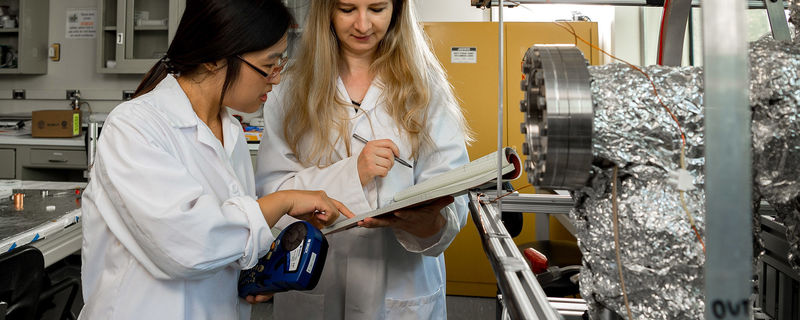
Our graduate students are an indispensable part of ND Physics and Astronomy, contributing to and energizing research in experimental and theoretical physics from a wide range of areas. During a typical year, approximately 120 graduate students collaborate with the 68 faculty members, and ~30 postdoctoral researchers who comprise the department.
All admitted students receive full tuition support and a stipend. Beginning doctoral students typically work as teaching assistants (about 15 hours per week) during the academic year. During the summer most students hold research assistantships. The majority of advanced students work as research assistants funded by external research grants. Applicants with strong academic records are automatically considered for fellowships.
The APS cites the Notre Dame Department of Physics and Astronomy as a female-friendly physics department with ~33% female graduate students.
The Notre Dame Difference
Notre Dame offers the research opportunities of a large university coupled with the environment of a smaller, private university. The Notre Dame Department of Physics and Astronomy prides itself on its collaborative and supportive environment.

Message From the Chair
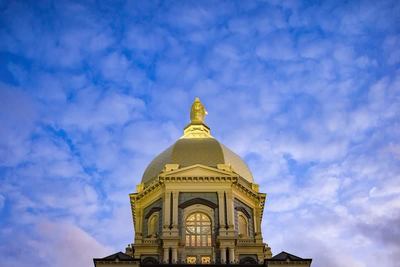
Choosing the right graduate physics program can be a difficult decision. An ideal graduate school blends world-class facilities, renowned faculty who are thoughtful teachers and mentors, and opportunities for professional development. The University of Notre Dame combines all of these. We offer the research opportunities of a large university coupled with a smaller, tight-knit community of graduate students working together to push forward the front lines of modern physics research. I encourage you to learn more about our programs, and to consider joining our thriving research community. --Professor Morten Eskildsen, Department Chair
The Graduate Physics and Astronomy Society
The Graduate Physics and Astronomy Society (GPAS) represents the collective graduate student community in the Department of Physics and Astronomy at Notre Dame. Our mission is to provide resources for graduate students, foster a community between students across all subfields of physics, and develop professional skills that prepare students for a variety of positions. We host various social and professional development events throughout the year, including an annual student-led conference. Our website acts as a landing page for graduate students who want to learn more about our committees, events, and resources within the department and across Notre Dame’s campus.
Programs at a Glance
Graduate students are an indispensable part of ND Physics and Astronomy, contributing to and energizing research in a wide range of experimental and theoretical research areas.
- 100%All graduate students receive full tuition support, a competitive stipend, and full medical insurance subsidy.
- 33%Thirty-three percent of our graduate student class is international.
- ~30%About 30 percent of our graduate student class is female.
- 2,200The University of Notre Dame is home to more than 2,200 students pursuing post-baccalaureate degrees in engineering, humanities, sciences, and social sciences.
Graduate Programs
-
Astrophysics
-
Biophysics
-

Complex Systems
-
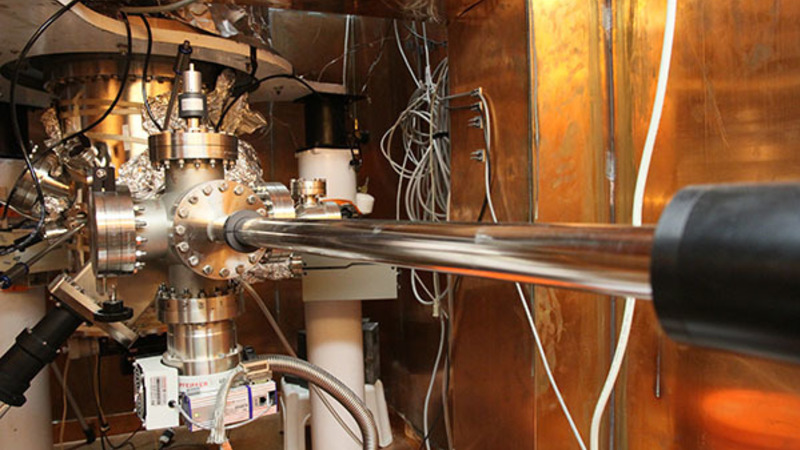
Condensed Matter Physics
-
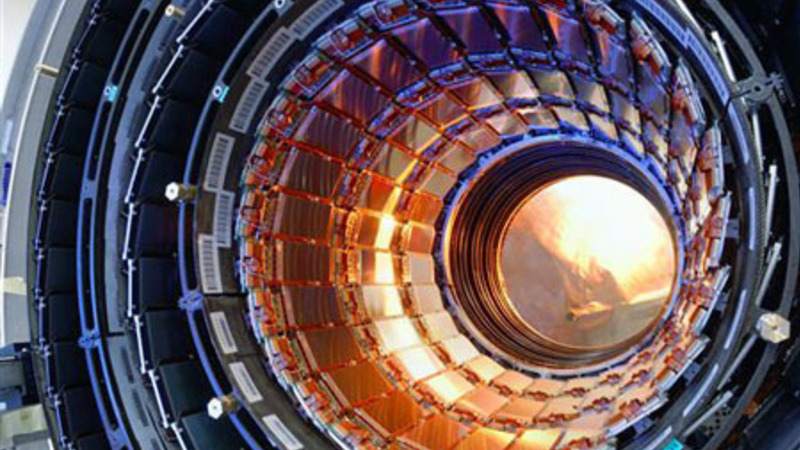
High Energy Physics
-
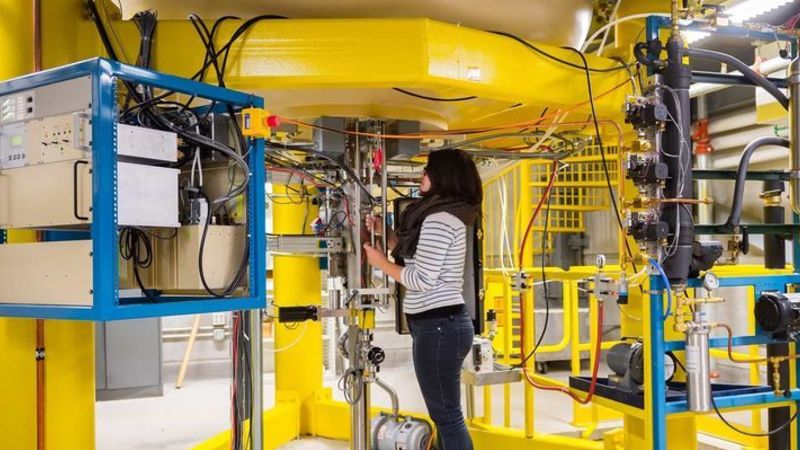
Nuclear Physics
Outreach
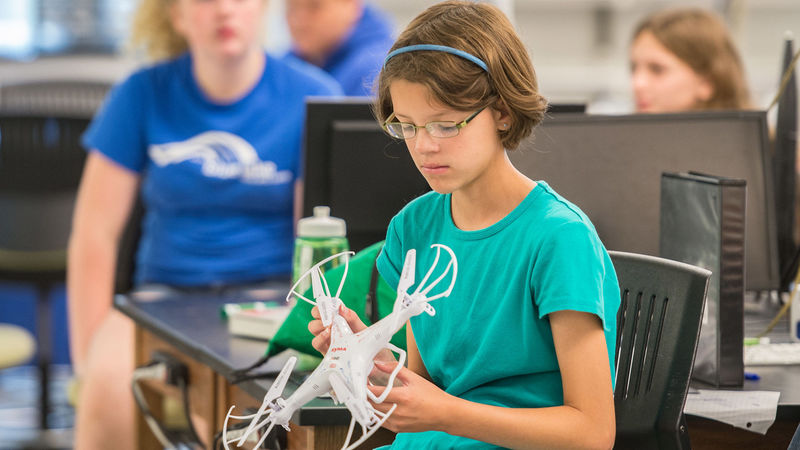
ND Physics and Astronomy has long emphasized the vital importance of public outreach as part of the mission of scientists, and graduate students are core contributors to the department's exceptional range of outreach programs. Department members run camps and workshops, lead physics activities in local and regional schools, and involved high school students and teachers in research. A Physics Demo team is lead by physics graduate students, providing demonstrations throughout the community.